





How to Choose the Perfect Sofa for Small Living Rooms (Complete Guide)

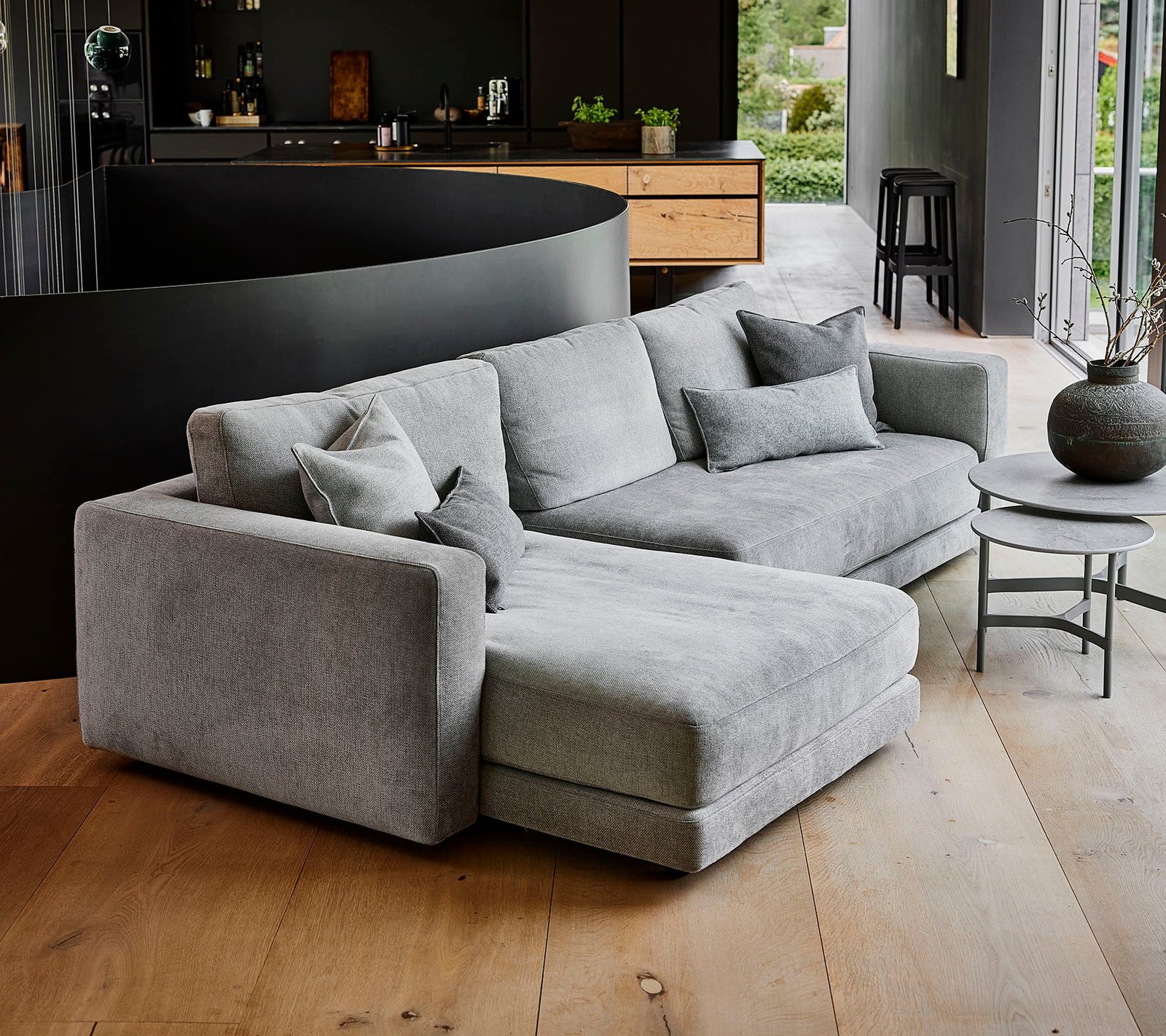
Choosing a sofa for a small living room can feel like solving a puzzle—you need comfort, style, and functionality, all without overwhelming your space. The good news is that with the right approach, you can find a sofa that actually makes your room feel bigger, not smaller.
Here’s a complete, practical guide to help you make the right choice.
1. Measure First—Always
Before you even look at designs, measure your space carefully.
- Measure the length and width of your room
- Note doorways and hallways (to make sure the sofa fits during delivery)
- Decide how much space the sofa should take (ideally no more than 2/3 of one wall)
A common mistake is buying a sofa that looks small in the showroom but dominates a compact room.
2. Choose the Right Sofa Size
In small spaces, every centimeter matters.
Best options for small living rooms:
- Loveseats (2-seaters): Compact and cozy
- Apartment-size sofas: Designed specifically for tight spaces
- Slim 3-seaters: Work if your room is narrow but long
Avoid bulky, oversized sofas with thick arms—they eat up valuable space.
3. Go for Slim and Elevated Designs
The design of the sofa can visually open up your room.
Look for:
- Slim arms instead of wide, chunky ones
- Raised legs (so you can see the floor underneath)
- Low backs for a less crowded feel
These features create an illusion of more space and make the room feel lighter.
4. Pick Light and Neutral Colors
Color plays a huge role in how spacious a room feels.
Best choices:
- Beige, light gray, cream, soft white
- Pastel tones
Why?
Light colors reflect more light, making the room feel open and airy.
If you love darker colors, use them in cushions or throws, not the main sofa.
5. Consider Multi-Functional Sofas
In small homes, furniture should work harder.
Great space-saving options:
- Sofa beds (perfect for guests)
- Storage sofas (hidden compartments under seats)
- Modular sofas (can be rearranged easily)
These add functionality without adding clutter.
6. Think About Shape and Layout
The shape of your sofa can change everything.
- L-shaped sofas: Good for corners, but only if the room allows
- Straight sofas: Safer choice for very small spaces
- Armless sofas: Save extra width
Place the sofa against a wall or in a corner to maximize open space.
7. Avoid Clutter Around the Sofa
Even the perfect sofa won’t work if the surrounding area is crowded.
- Keep side tables minimal
- Use wall-mounted shelves instead of bulky furniture
- Leave some breathing space around the sofa
A clean layout makes your living room feel larger instantly.
8. Test Comfort and Depth
A sofa can be small and still comfortable—you just need the right proportions.
- Seat depth: Around 50–60 cm is ideal for most people
- Back support: Make sure it supports your posture
- Cushion firmness: Medium-firm is usually best for daily use
Don’t sacrifice comfort just to save space.
9. Choose the Right Fabric
For small living rooms, practicality matters.
- Easy-to-clean fabrics (especially if you have kids or pets)
- Durable materials like polyester blends
- Avoid heavy, thick textures that look bulky
Light, smooth fabrics keep the space feeling clean and modern.
10. Match Your Style
Finally, make sure your sofa fits your overall design.
- Modern room → clean lines, neutral tones
- Classic room → subtle curves, soft fabrics
- Minimalist → simple, no extra details
Consistency in style makes even a small room feel well-designed.
